Traditional Chinese Medicine (TCM) is a comprehensive medical system that has been practiced for thousands of years. Rather than focusing only on symptoms, TCM views the body as an interconnected system of energy, structure, emotion, and environment. Its goal is balance and restoring harmony so the body can regulate and heal itself.
At its core, TCM is built on the understanding that health is not simply the absence of disease, but the smooth and balanced flow of vital energy, known as Qi (pronounced “chee”).
The Core Tools of Traditional Chinese Medicine
TCM is not one technique, rather it is an umbrella system that includes multiple therapeutic approaches.
Acupuncture
Acupuncture involves the insertion of very fine needles into specific points along energy pathways (meridians). These points influence organ systems, circulation, nervous system regulation, and pain pathways. Modern research suggests acupuncture may help stimulate blood flow, modulate inflammation, and support nervous system balance.
Herbal Medicine
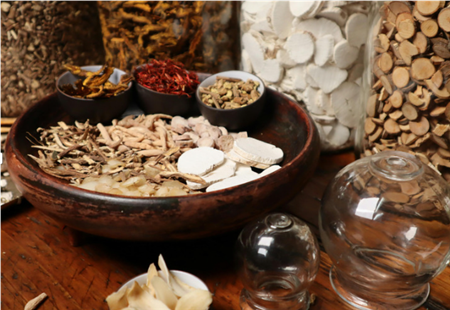
Chinese herbal formulas are carefully crafted combinations of roots, leaves, minerals, and other substances designed to restore internal balance. Unlike single-herb remedies, formulas are often customized to the individual after a detailed assessment.
Cupping Therapy
Cupping uses suction cups placed on the skin to increase circulation, release muscular tension, and move stagnant blood or Qi. You’ve probably seen the circular marks on athletes - that’s cupping in action. It’s often used for pain, respiratory issues, and muscle tightness.
Tai Chi
Tai Chi is a moving meditation rooted in martial arts and deeply connected to TCM principles. It cultivates balance, coordination, breath awareness, and smooth energy flow. Tai Chi is not just gentle exercise, it is an intentional practice designed to regulate the nervous system, strengthen the body, and improve longevity.
Research increasingly supports Tai Chi for fall prevention, balance improvement, joint health, and stress reduction.
Qigong
Qigong (often translated as “energy cultivation”) includes coordinated breathwork, gentle movement, posture, and focused intention. Some forms are active and flowing; others are still and meditative. Qigong practices are specifically designed to regulate Qi, calm the nervous system, and improve circulation.
While Tai Chi is technically a form of Qigong, Qigong encompasses a broader range of practices from dynamic movement sequences to simple breathing exercises that can be done in minutes.
Dietary Therapy
Food in TCM is categorized by energetic properties (warming, cooling, dampening, drying) and is used therapeutically to support organ systems and seasonal balance.
How TCM Practitioners Diagnose and Treat
TCM diagnosis differs from conventional Western models. Rather than labeling a condition solely by disease name, practitioners identify patterns of imbalance.
A typical TCM assessment may include:
Detailed health history
Observation of the tongue (color, coating, shape)
Pulse diagnosis (assessing depth, strength, and rhythm)
Questions about sleep, digestion, stress, temperature preference, and emotional patterns
Two people with the same Western diagnosis (for example, headaches) may receive completely different treatments based on their underlying pattern of imbalance.
Treatment plans are individualized and may combine acupuncture, herbs, movement practices like Tai Chi or Qigong, dietary guidance, and lifestyle recommendations.
For a comprehensive assessment and personalized treatment plan, it’s best to consult a licensed TCM doctor or acupuncturist trained in full diagnostic evaluation.
Why TCM Matters Today
In a modern world that often separates mind and body, TCM offers an integrative framework. It recognizes that stress affects digestion, that emotions influence organ systems, and that movement, breath, and environment all play a role in health.
Practices like Tai Chi and Qigong are accessible entry points into this system, helping individuals cultivate balance before imbalance becomes illness.
Traditional Chinese Medicine reminds us that healing is not about forcing the body into submission, but restoring flow so the body can function as it was designed to.
 About the Author
Support the Movement for Holistic Wellness
We’re on a mission to make holistic health and conscious living more accessible to all. Your contributions help us connect seekers with trusted wellness providers and strengthen the support networks that keep heart-centered businesses thriving. Every dollar fuels community, connection, and a healthier world—thank you for being part of it.
 Give a gift today!