
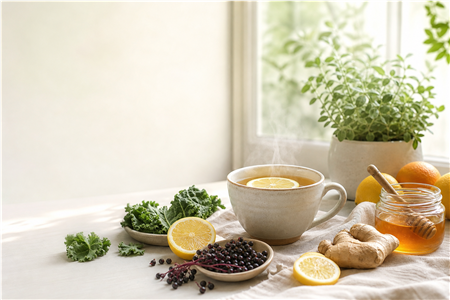
Do you ever wonder where to start on your path to a healthier lifestyle? Supporting your immune system is a great place to begin.
Your immune system is working for you every day, helping your body recognize and respond to potential threats. While there is no single food, supplement, therapy, or wellness practice that can guarantee you won’t get sick, the everyday choices you make can help support healthy immune function and your overall well-being.
holistic approach looks beyond one quick fix. It considers nutrition, movement, sleep, stress, emotional wellness, and other factors that work together to support the whole person.
And fortunately, many of the best places to begin are also some of the simplest.
Start With the Foundations of Healthy Immunity
Before looking for the newest supplement or wellness trend, start with the basics.
Eat a nutrient-rich diet.
A varied diet that includes vegetables, fruits, healthy fats, protein, and other nutrient-dense foods provides the vitamins, minerals, and nutrients your body needs to function at its best. If you're unsure what foods are right for you, a qualified nutrition professional can help you develop an approach that fits your individual needs.
Keep moving.
Regular physical activity supports many aspects of health, including circulation, sleep, stress management, and overall physical resilience. You don't necessarily need an intense workout. Walk, practice yoga, work with a fitness professional, garden, ride your bike—or put on some music and dance!
The best movement is often the movement you enjoy enough to keep doing.
Stay hydrated.
Water plays an important role throughout the body, from digestion and circulation to temperature regulation. Keep water readily available throughout the day and make hydration part of your regular routine.
Make sleep a priority.
Sleep isn't simply downtime. It is an important part of the body's natural restoration and regulation processes. Consistently getting too little quality sleep can affect how you feel physically and emotionally, so creating healthy sleep habits is an important part of supporting overall wellness.
Don't Overlook the Role of Stress
Supporting your immune system isn't only about what you eat or how often you exercise.
Your mental and emotional well-being matter, too.
Everyone experiences stress, and short periods of stress are a normal part of life. The challenge comes when stress becomes chronic and your body rarely has an opportunity to relax and recover.
You may notice that ongoing stress affects your sleep, appetite, digestion, energy, mood, or motivation to make healthy choices.
Finding healthy ways to manage stress can therefore be an important part of a holistic wellness plan.
That might include meditation, breathing practices, time in nature, yoga, Qigong, journaling, creative activities, or simply making more room for rest.
If stress, anxiety, relationship challenges, or life changes become difficult to manage on your own, consider reaching out to a qualified mental health professional, counselor, or coach who can provide appropriate support.
Explore Complementary Wellness Practices
Holistic health also gives us many ways to support relaxation, movement, comfort, and overall well-being.
Depending on your individual needs, you might explore practices such as:
- Massage therapy
- Acupuncture
- Chiropractic care
- Yoga or Qigong
- Meditation and breathwork
- Herbal approaches
- Aromatherapy
- Reiki
- EFT (Emotional Freedom Techniques)
- Salt therapy
- Float therapy
These approaches aren't substitutes for appropriate medical care, nor does every modality work for every person. Instead, they can be viewed as additional tools in your wellness toolbox.
Some people may use acupuncture or massage to support relaxation and physical comfort. Others may find yoga, Qigong, or meditation helpful for movement and stress management. Still others may be drawn to complementary practices such as Reiki or EFT as part of their personal approach to emotional or energetic wellness.
The important thing is finding qualified practitioners and choosing approaches that make sense for you.
Be Thoughtful About Herbs, Supplements, and Essential Oils
"Natural" doesn't automatically mean safe for everyone.
Herbs, supplements, and essential oils can be useful wellness tools, but they can also have side effects, cause sensitivities, or interact with medications and medical conditions.
If you are currently receiving medical treatment or taking medications, talk with an appropriate healthcare professional before adding new supplements or herbal remedies. And let all of your healthcare providers know about the conventional and complementary approaches you are using.
Holistic care works best when everyone involved in your health has the information they need.
Create a Wellness Routine You Can Actually Maintain
Perhaps one of the most important aspects of supporting your health naturally is consistency.
You don't need to completely overhaul your life on Monday morning.
Start with one or two changes that feel realistic.
Drink another glass of water. Take a walk after dinner. Go to bed a little earlier. Schedule the massage you've been talking about for six months. Try a meditation or Qigong class. Add another vegetable to dinner. Spend ten minutes outside without your phone.
Small choices made regularly can become healthy habits.
And those habits can support much more than your immune system. They can contribute to better energy, greater resilience, improved stress management, and an overall sense of well-being.
Build Your Own Holistic Wellness Team
There is no single definition of the "perfect" wellness routine because there is no single approach that works for everyone.
Your needs may also change over time.
That's one of the benefits of holistic health: you can explore different resources and build a team of qualified professionals who support different aspects of your well-being.
Your conventional healthcare providers can remain an important part of that team, while complementary practitioners may provide additional support for nutrition, movement, stress management, relaxation, and other wellness goals.
Ask questions. Research credentials and training. Tell your providers about other treatments and therapies you're using. Most importantly, pay attention to what genuinely supports your health and well-being.
Supporting Your Health, One Choice at a Time
Taking responsibility for your health doesn't mean you can control whether you ever become sick. It means recognizing the many everyday choices you can make to support yourself.
Eat well. Move your body. Rest. Hydrate. Manage stress. Ask for help when you need it. Explore complementary wellness practices that make sense for you.
You don't have to do everything at once.
Sometimes the best path toward better health begins with simply asking:
What's one thing I can do today to support my well-being?
Then start there.
If you're ready to explore more holistic approaches to health and wellness, the Holistix Online community includes professionals offering a wide variety of services and resources to help you find options that fit your needs.
About the Author
 Camille Leon is the Founder and CEO of Holistix Online. She helps people find holistic approaches to health, life and business. She helps holistic professionals to connect with more customers, clients and patients as well as like-minded business support.