
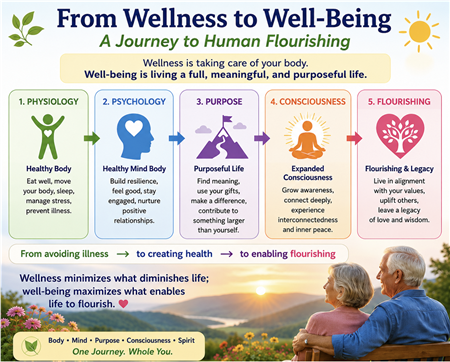
In this paper we propose a transition from wellness to well-being—from protecting and optimizing the physical organism toward creating the conditions in which the whole human being can flourish. Well-being encompasses not only feeling healthy or experiencing pleasure, but also meaning, purpose, engagement, personal growth, positive relationships, self-realization, and ultimately spiritual development and transcendence.
Four Stages of Growth
The transition can therefore be conceptualized as a developmental continuum:
- Physiology to Psychology/discovering and recovering FULL SELF →
- Purpose/Inventing the Future→
- Consciousness/Becoming a Power for Good (aligning outer and inner worlds)→
- Flourishing/Legacy/Prosperism — self and others.
At the physiological level, wellness interventions seek to reduce harmful influences and strengthen bodily functioning. At the psychological level, the concern expands toward resilience, positive affect, engagement, autonomy, and relationships. Purpose moves the individual beyond self-maintenance toward meaningful contribution. Development of consciousness further expands the boundaries of identity and human potential, potentially enabling experiences of interconnectedness, transcendence, and Oneness.
Necessary But Not Sufficient
We therefore propose a broader paradigm of human development in which wellness is necessary but not sufficient. Wellness asks whether the body and its environment are functioning healthfully. Well-being asks whether the human being is flourishing. The ultimate objective is not merely to add years to life or eliminate sources of illness, but to create lifestyles, workplaces, technologies, leadership practices, and built environments that enliven the whole person—body, mind, purpose, consciousness, and spirit.
Wellness minimizes what diminishes life; well-being maximizes what enables life to flourish.
The transition may ultimately be summarized as:
From avoiding illness → to creating health → to enabling flourishing.
From healthy bodies → to healthy minds and full energy→ to purposeful lives → to expanded consciousness.
Individual Practices vs. An Integrated Holistic Approach
Wellness suggests individual practices or techniques. Well-being is an overall integrated holistic approach.
Healthcare and holistic health is filled with different techniques and methods for helping the person become healthier. A lot of these are kept under the general term of Wellness. And so we have such things as yoga, meditation, nutrition and dieting, counseling and therapy — all in all in the service of wellness. Many of these things tend to be approached on an individual basis — so some people are more interested in physical well-being (exercise, yoga, nutrition), some are interested in counseling and therapy, and others are more interested in spiritual pursuits and consciousness. In this article we are advocating that rather than focusing on individual things, the emphasis should be on overall well-being, with well-being as a holistic term which is all encompassing. This aligns with a move to the ‘Well-being Economy’ supported by the Dalai Lama and being trialed in different countries.
One of the things that we’ve noticed about individual wellness programs is that the practitioners of these programs tend to set them up so that participants keep returning on a regular basis, to keep income from the participants steady and ongoing. For example, counselors and therapists want their clients to keep coming to them. If a person starts feeling well and no longer comes to the practitioner, then it’s eating at their business. Most practitioners are just one step ahead of their patients and have learned processes which keep the person paying them.
What we have been describing are practices involving self-management, (meditation, mindfulness, group and individual practices) the third stage of self-development after sleepwalking through life, then self-awareness, discovering an inner world and blaming your parents etc., and then rituals where one part of the self, usually the head is managing the whole.
What's Missing in Wellness Approaches
Many such approaches to wellness miss one of the key elements of self-actualization — namely, the practical discovery and recovery of fragmented energy/light, full embodiment including the higher energies.
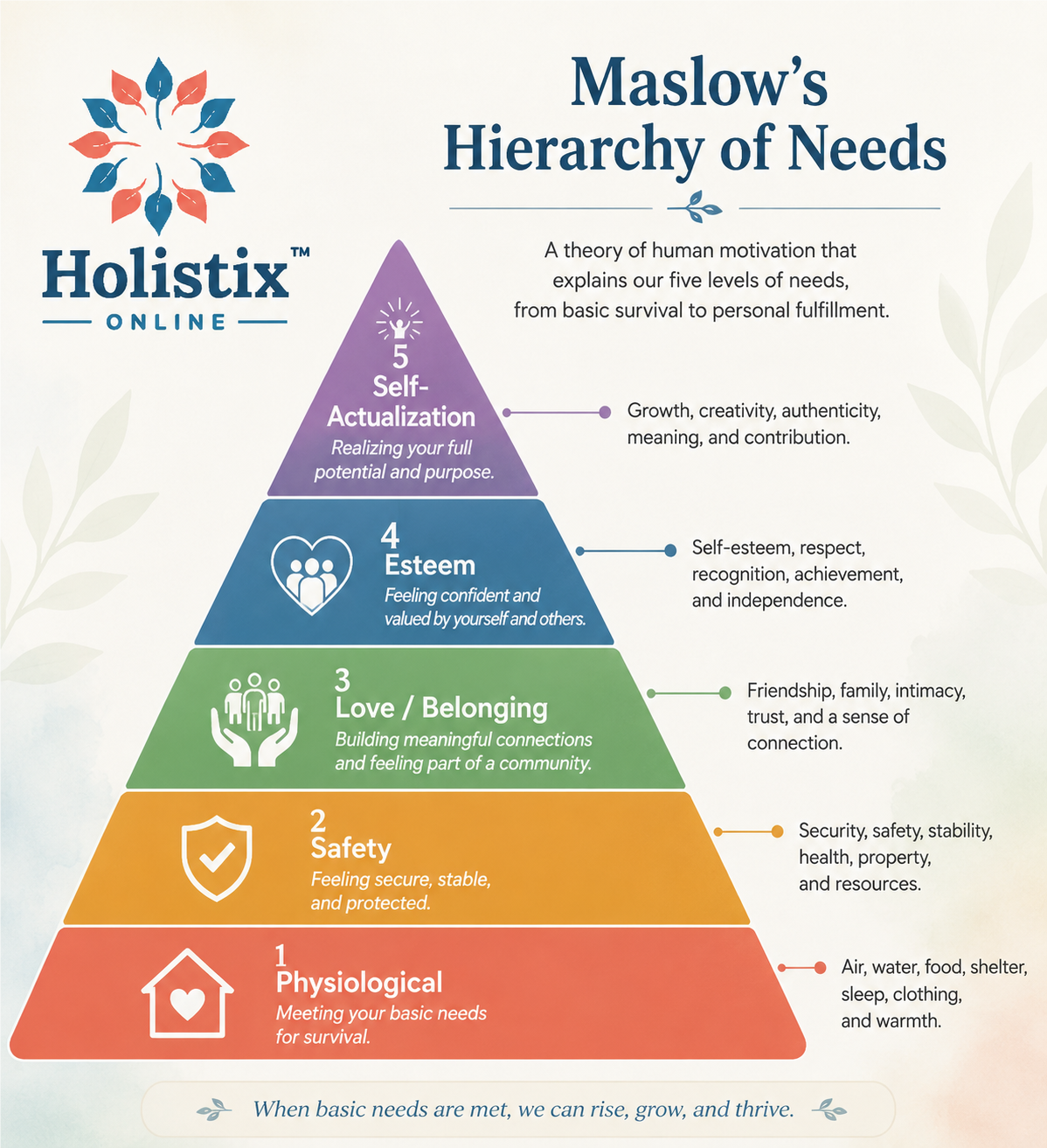 The rubber band effect has one or more events in the womb, at birth, in childhood, in teenage or in adulthood in this or another existence, causing our light from which we are made to stop radiating, withdraw, fragment, and become frozen in or be pushed out of the body. In other terms creating a soul fragment. Its absence causes symptoms which the person believes are of their making, negative feelings, physical, mental and spiritual symptoms of dis-ease. The event causes trauma, the trauma, causes withdrawal of energy/light. The RAPSI® approach developed by Eileen Watkins Seymour enables a person to go from:
- Physiology to Psychology/discovering and recovering FULL SELF →
- Purpose/Inventing the Future to Consciousness/Becoming a Power for Good (aligning outer and inner worlds) →
- Flourishing/Legacy/Prosperism—self and others
One of their key findings is that 6000+ clients discovered that once they clear their inner space and their energy is expanded and radiating, that they should bring in and radiate the higher energies and other dimensions that they were in contact with or journeying through. Time for those energies, guides, beings to come on in and help create the full light vehicle — harnessing a healed past. Their clinical study executive summary shows people who had been meditating for 50 years who then recovered embodied and radiated their full energy, full self.
“It is our job to find, integrate or reintegrate, fully embody and then fully radiate The Light, so that we (also light in form) and The Source Light can experience what it means to be fully human.”
— Dr. Eileen Watkins Seymour DSc HC
Moving Beyond Individual Techniques
What we are suggesting here is that rather than taking part in individual techniques, the emphasis or focus instead should be on an individual’s well-being as an overall term which encompasses and relates to all the aspects of a whole person — physical, mental, emotional, and spiritual. We also suggest training therapists, coaches, psychiatrists, and others to add psycho-spiritual integration to their toolkit.
The progression we are proposing is consistent with "Higher Consciousness Management" (Maheshwari, 2021), which argues that transcendence can enable individuals to move beyond self-limiting patterns and access deeper human potential. It is further developed in Maheshwari’s model of workplace well-being through development of consciousness and purposeful leadership. In this framework, higher organizational purpose can facilitate individuals’ higher purposes, contributing to greater engagement, fulfillment, and well-being (Maheshwari, 2024).
Well-Being in the Age of AI
The argument acquires additional significance in the age of artificial intelligence. If AI increasingly performs routine cognitive and productive functions, human development may need to move beyond efficiency and even beyond conventional wellness toward those capacities that remain profoundly human: meaning, creativity, love, compassion, wisdom, transcendence, and interconnectedness. "Artificial Oneness" (Maheshwari & Biberman, 2025) extends this trajectory by considering how AI might ultimately support experiences and understanding of Oneness rather than merely augment human productivity.
Five Steps to Start
What are the characteristics of a person who exhibits all of the aspects of well-being? A person who feels joyful, and who is filled with energy and purpose, who is integrated in body, spirit, consciousness, and mind - so that on every level the person is integrated into a flourishing whole person.
In going from a Wellness approach to an overall well-being approach, the following are helpful:
A daily practice of meditation or some other means off mindfulness or exploration of consciousness.
Engage in a combined approach to the physical body that combines nutrition with exercise.
Engage in activities that lead to self-improvement, including Self-actualization (e.g. RAPSI®).
Find outlets to engage and socialize with other people.
Keep an open mind and read constantly but also question what you read. Don’t accept personal testimonies as being the same as scientific proof of a technique working.
References
Maheshwari, Anil. K. (2021). "Higher consciousness management: Transcendence for spontaneous right action," Journal of Management, Spirituality & Religion, 18(6), 77–91.
Maheshwari, A. K. (2024). "Workplace well-being from development of consciousness through purposeful leadership," Journal of Management, Spirituality & Religion, 21(2), 206-223.
Maheshwari, Anil. K., & Biberman, Jerry. (2025). "Artificial oneness: Bridging the human-machine divide," Journal of Management, Spirituality & Religion, 22(6), 621–638.
Watkins Seymour, Eileen with Clive Digby-Jones and Susan Norman (2003), The Missing Peace: The Advanced Seeker’s Guide to Wholeness, Saffire Press, London
About the Authors: Jerry Biberman, Anil Maheshwari, and Clive Digby-Jones
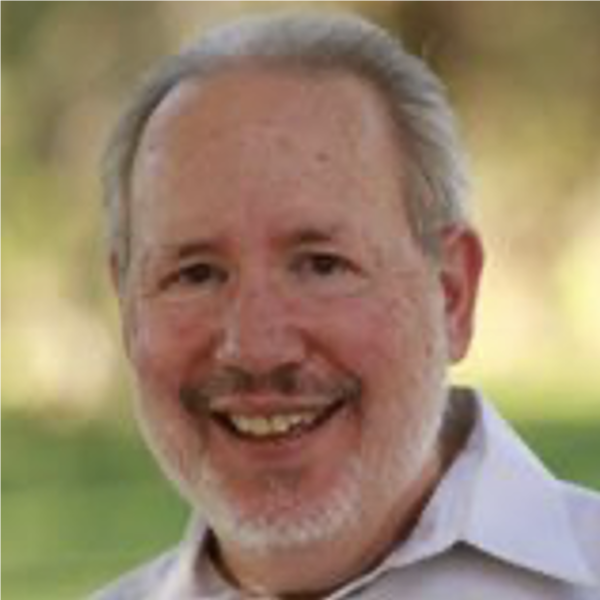 Gerald “Jerry” Biberman, Ph.D., is a pioneering writer, researcher, meditation teacher, and speaker whose early scholarship helped shape the modern field of spirituality at work. A meditator for more than forty years, Dr. Biberman brings a rich, multi‑tradition background to his teaching, drawing from transcendental meditation, Jewish meditation, the Silva Method, and auditory binaural‑beats meditation.
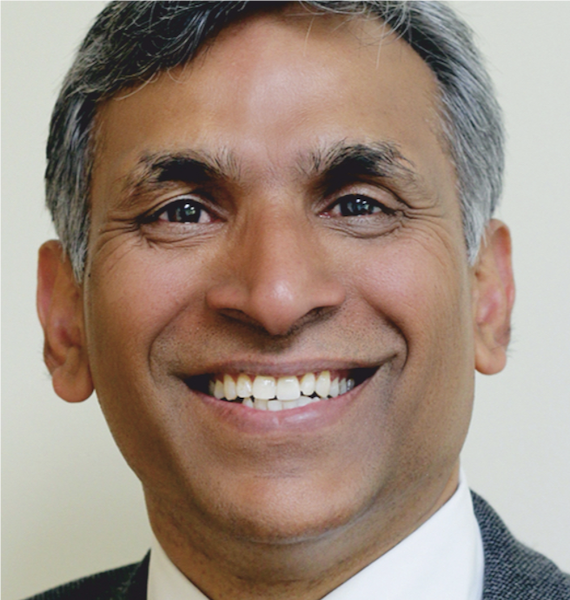 Dr. Anil K Maheshwari is a Professor Emeritus of Management and Information Systems at Maharishi International University (MIU, USA), the home of consciousness-based education. As a scholar and seeker at the intersection of leadership, technology, and spirituality, he has contributed 20 books and textbooks, 50+ papers and book chapters, and 70+ conference presentations and webinars. He is the elected chair of the (2023-2028) of MSR division of Academy of Management.
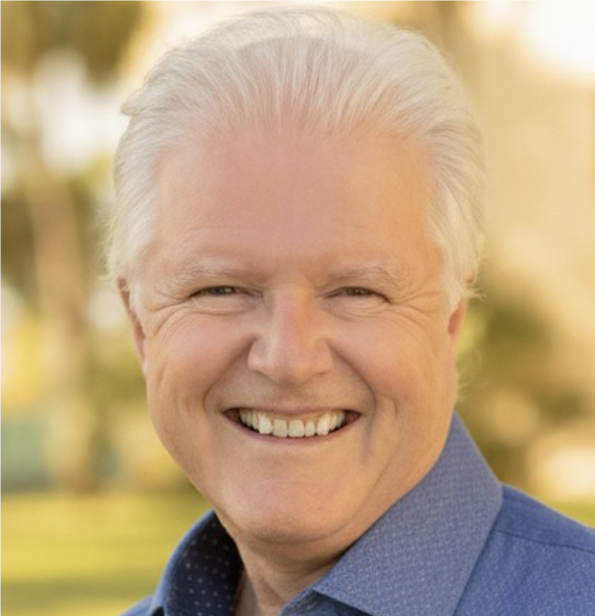 Clive Digby-Jones Ph.D. is an International Consultant in Innovation, a Leadership Coach, and a Master Practitioner in RAPSI® (The Ravenscroft Approach to Psycho-spiritual integration) with his life partner, Dr. Eileen Watkins Seymour DSc HC. He helps entrepreneurs and individuals to invent the future and harness their healed past, and developed the I.N.B.E.D. process for inventing new products, services and technologies in 41 industries. Clive holds and shares a lifetime of self-development and helping others do the same.
Support Holistix Online